
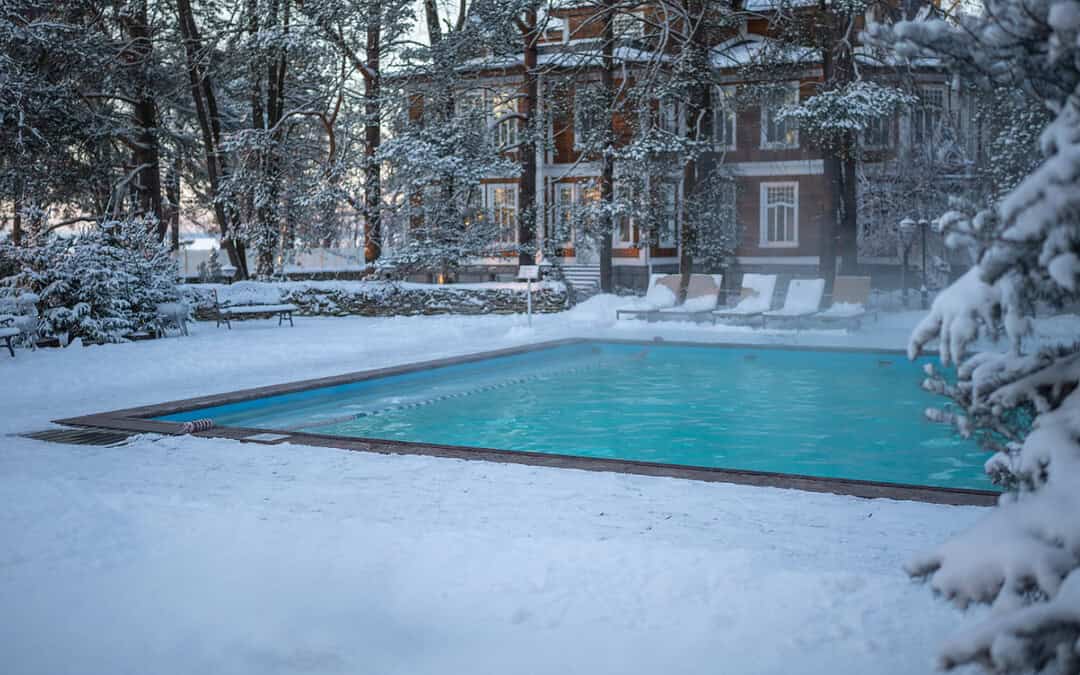
Winter pool cleaning is often ignored because the pool is used less often. The water may look calm, the garden feels quieter, and swimming is no longer part of the daily routine. But this is exactly when leaves, dust, algae, fine debris, and surface dirt can slowly build up. By the time warmer weather returns, the pool may need far more work than expected.
The easiest way to manage winter pool cleaning is to keep the pool lightly maintained throughout the colder months instead of waiting for a major clean-up later. For South African homeowners, this is especially useful because many pools stay open all year, even if they are used less frequently during winter.
A modern robotic pool cleaner can reduce much of the manual work. Instead of repeatedly brushing, vacuuming, and skimming by hand, you can use smart cleaning technology to help keep the floor, walls, waterline, and surface cleaner with less effort. Right Air offers a selection of pool cleaners designed to make this kind of routine maintenance easier.
Why winter pool cleaning still matters
A pool does not stop collecting dirt just because people stop swimming. Wind, trees, dust, rain, garden debris, insects, and poolside foot traffic can still affect the water and surfaces. If the pool is left alone for too long, debris can sink, stains may appear, and algae can start forming in areas with poor circulation or low brushing.
Regular water care also still matters. The CDC’s guidance on home pool and hot tub water treatment and testing explains that residential pool owners should regularly check chlorine concentration and pH to help keep water safer for use.
Winter pool cleaning is not about doing more work. It is about doing smaller tasks consistently so the pool does not become a major job later.
The problem with leaving your pool alone in winter
Many homeowners assume winter pool maintenance can stop completely. That creates avoidable problems.
Common winter pool problems
| Winter pool problem | Why it happens | What it can lead to |
|---|---|---|
| Leaves and garden debris | Wind blows leaves, seeds, and dirt into the pool | Blocked baskets, dirty floors, cloudy water |
| Fine dust on the floor | Less frequent vacuuming allows dust to settle | Staining, dull-looking water, extra cleaning later |
| Surface debris | Insects, pollen, and floating leaves collect on top | Poor appearance and more manual skimming |
| Algae patches | Reduced brushing and poor circulation | Green areas on walls, steps, and corners |
| Dirty waterline | Oils, dust, and debris settle around the edge | Staining and harder scrubbing later |
| Filter strain | Excess debris moves through the system | More pressure on pumps, baskets, and filters |
The easiest solution is to keep a simple routine. A robotic pool cleaner helps reduce the physical effort required to stay consistent.
Why a robotic pool cleaner makes winter easier
A robotic pool cleaner is designed to handle pool debris without depending entirely on manual brushing and vacuuming. Cordless models are especially useful because they reduce the hassle of hoses and power cables around the pool area.
For homeowners who want a simple entry-level option, the Wybot A1 Cordless Robotic Pool Cleaner is a practical choice for smaller pools. It is designed for straightforward cordless cleaning, making it useful for homeowners who want less manual effort during winter.
For larger or more demanding pools, the C2 Pro Vision Smart AI Cordless Robotic Pool Cleaner is a more advanced option, positioned for comprehensive cleaning of pool floors, walls, and waterlines.
What should be cleaned during winter?
Winter cleaning should focus on the areas where dirt builds up most often. These are usually the floor, corners, steps, waterline, and surface.
Winter pool cleaning checklist
| Area to clean | Why it matters | Recommended approach |
|---|---|---|
| Pool floor | Fine dust, leaves, and debris settle here first | Use a robotic cleaner regularly |
| Pool walls | Algae and dirt can cling to vertical surfaces | Use a wall-capable cleaner where needed |
| Waterline | Oils and debris can create marks | Brush or use a cleaner that supports waterline cleaning |
| Surface | Leaves and insects collect quickly | Skim manually or use a surface cleaner |
| Steps and corners | Debris often collects in awkward areas | Brush and run cleaner often |
| Baskets and filters | Debris affects circulation | Empty baskets and check filter condition |
A robotic cleaner reduces the time spent on the floor and walls, but homeowners should still monitor water balance, baskets, and visible algae.
The easiest winter cleaning routine
The goal is to make winter pool cleaning manageable. A simple weekly routine is usually better than doing nothing for months.
Weekly winter pool routine
- Remove large leaves and floating debris.
- Check the pool water level.
- Empty the skimmer and pump baskets.
- Test chlorine and pH.
- Run the robotic pool cleaner.
- Brush visible problem areas.
- Check the filter pressure.
- Cover the pool where practical.
This kind of routine prevents dirt from settling for too long. It also makes the pool easier to prepare when swimming season returns.
Which robotic pool cleaner is best for winter?
The best cleaner depends on the type of pool, the amount of debris, and how much automation you want.
Product direction guide
| Pool situation | Better feature to look for | Why it helps |
|---|---|---|
| Small residential pool | Cordless floor cleaning | Simple cleaning with less setup |
| Pool with leaves and garden debris | Strong debris collection | Reduces manual scooping |
| Pool with wall marks | Wall and waterline cleaning | Helps clean beyond the floor |
| Pool with floating debris | Surface cleaning | Reduces skimming work |
| Larger pool | Smart navigation | Improves cleaning coverage |
| Low-maintenance preference | Advanced robotic features | Reduces manual intervention |
For pools where surface debris is the main issue, the Wybot F1 Smart Solar Robotic Pool Surface Cleaner is especially relevant because it is designed for surface cleaning and app-controlled operation. This makes it useful for pools affected by leaves, insects, and floating dirt.
Pool chemistry still matters
A robotic pool cleaner helps with physical debris, but it does not replace water testing or chemical care. Winter water can still become unbalanced, especially after rain, leaf build-up, or long periods without use.
The CDC’s pool chemical safety guidance highlights the importance of safe chemical handling and proper maintenance procedures. Homeowners should follow product instructions carefully and avoid mixing chemicals incorrectly.
At a basic level, winter pool cleaning should include:
- Testing chlorine and pH
- Checking alkalinity where needed
- Removing leaves before they break down
- Brushing visible algae patches
- Keeping circulation working
- Cleaning baskets and filters
A clean pool is not only about clear water. It is about keeping debris, surfaces, equipment, and water balance under control.
How often should you use a robotic pool cleaner in winter?
The right frequency depends on your pool environment. A pool under trees may need more cleaning than a pool in an open, sheltered space.
Suggested cleaning frequency
| Pool condition | Suggested robotic cleaner use |
|---|---|
| Few trees and low debris | Once a week |
| Moderate garden debris | 1–2 times a week |
| Heavy leaf fall | 2–3 times a week |
| Pool cover used regularly | As needed after opening |
| Pool near dusty areas | Weekly or after windy weather |
| Pool with visible algae patches | Clean and brush more frequently |
The key is to avoid long gaps. If debris is left for weeks, it becomes harder to remove and can affect water quality.
How to reduce winter pool cleaning even further
A robotic pool cleaner makes a major difference, but a few extra habits can reduce work even more.
Practical winter pool cleaning tips
- Use a pool cover when the pool is not in use.
- Trim overhanging branches near the pool.
- Remove large leaves before they sink.
- Empty baskets regularly.
- Keep the water level correct.
- Run circulation as recommended for your system.
- Clean filters before they become overloaded.
- Store pool equipment properly when not in use.
- Test water regularly, even in colder months.
These steps make winter pool cleaning easier because they reduce the amount of debris entering the water in the first place.
Mistakes to avoid
Many winter pool problems come from small mistakes that build up over time.
Common mistakes
- Switching off all maintenance for winter
- Ignoring leaves and surface debris
- Not testing water because nobody is swimming
- Leaving algae patches until spring
- Forgetting to empty baskets
- Using the wrong cleaner for the pool size
- Letting brushes, filters, or cleaner parts wear out
- Assuming clear water means healthy water
The easier approach is to maintain the pool lightly and regularly. That prevents a stressful clean-up later.
Final thoughts
The easiest way to keep your pool clean in winter is to avoid letting the work pile up. A few small tasks each week can prevent stains, algae, cloudy water, and heavy debris build-up.
For South African homeowners, winter pool cleaning does not need to be difficult. A robotic pool cleaner can help reduce manual vacuuming, improve cleaning consistency, and keep the pool looking better during the colder months.
If your pool is small and simple, the Wybot A1 may be enough. If you need more complete cleaning across floors, walls, and the waterline, the C2 Pro Vision is a stronger option. If surface debris is your main concern, the Wybot F1 Smart Solar cleaner can help reduce skimming effort.
A clean winter pool is easier to manage, easier to reopen, and far less stressful when warmer weather returns.













Recent Comments