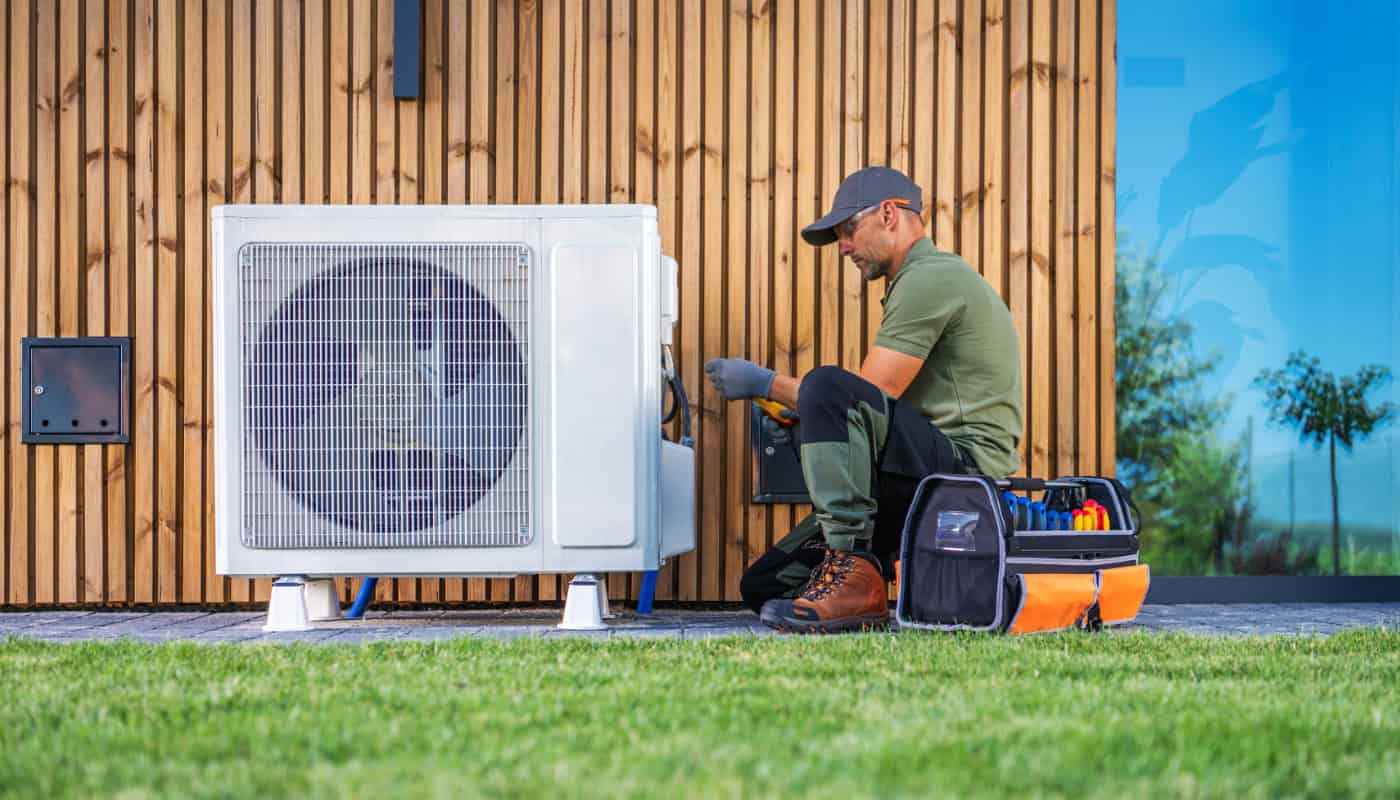
A geyser heat pump installation is not only about fitting a new unit outside your home. It is about making sure your hot water system is correctly sized, safely connected, properly ventilated, and set up to deliver long-term electricity savings. For South African homeowners, this matters because water heating is one of the most expensive parts of household energy use, especially in homes with several people using hot water every day.
Unlike a standard electric geyser, a heat pump uses surrounding air to help heat water. That makes it far more efficient, but it also means the installation needs careful planning. The wrong location, incorrect pipework, poor airflow, or missing control components can reduce performance and increase future maintenance issues.
This guide explains what to check before a geyser heat pump installation, which products are best suited to larger residential setups, and how to avoid costly mistakes before the installer arrives.
For homeowners still comparing options, Right Air’s range of domestic hot water heat pumps includes models for smaller homes, larger families, and higher-demand hot water systems.
For general installation guidance, the ENERGY STAR heat pump water heater guide explains the importance of airflow, placement, and maintenance for heat pump water heater performance. The City of Cape Town’s water heating energy-saving FAQs also provide a useful South African context for reducing household water-heating energy use.
Why geyser heat pump installation planning matters
A geyser heat pump installation should start with a proper assessment of your existing geyser, daily hot water demand, available installation space, and electrical setup. Heat pumps are efficient, but they still need the right conditions to perform properly.
The installer should confirm:
- The geyser size and hot water demand
- The most suitable heat pump capacity
- Whether there is enough airflow around the unit
- Where condensation will drain
- Whether pipe runs can be kept short and insulated
- Whether the correct valves, controls, and protection components are included
Skipping this planning stage can lead to slow heating, higher running costs, and unnecessary strain on the system.
Pre-installation checklist
| What to check | Why it matters | What can go wrong if ignored |
|---|---|---|
| Geyser size | Determines the correct heat pump capacity | Unit may be too small or oversized |
| Installation position | Affects airflow and service access | Poor efficiency or difficult maintenance |
| Pipe distance | Impacts heat loss | Longer heating times and wasted energy |
| Drainage | Manages condensation safely | Water pooling or damp areas |
| Electrical setup | Supports safe operation | Trips, faults, or unsafe wiring |
| Installation kit | Includes important control and protection parts | Missing valves or poor system control |
Choosing the right system for larger homes
Not every home needs the same heat pump. A small household with a 150L geyser has different requirements from a large family with multiple bathrooms, high morning usage, or a larger storage tank.
For mid-to-larger domestic hot water systems, the ITS 5.4kW geyser heat pump with Wi-Fi is a strong option because it is suited to homes that need more hot water than an entry-level system can comfortably provide. For larger residential installations, the ITS Residential 6.3kW Super heat pump with Wi-Fi offers a higher-capacity option for bigger households.
Where the geyser size and demand are higher again, the ITS 7.6kW geyser heat pump with Wi-Fi is relevant for larger geyser setups and higher daily hot water use.
Simple product direction guide
| Home setup | Product direction | Installation note |
|---|---|---|
| Medium family home | 5.4kW class heat pump | Good for regular daily hot water use |
| Larger residential home | 6.3kW class heat pump | Better for higher demand and larger systems |
| Large geyser setup | 7.6kW class heat pump | Needs careful installation planning |
| Multiple bathrooms or heavy use | 6.3kW to 7.6kW range | Installer should confirm geyser size and usage |
A successful geyser heat pump installation depends on matching the unit to real household demand, not simply choosing the cheapest model.
The role of the installation kit
For larger ITS systems, the 6.3kW to 7.6kW ITS geyser heat pump installation kit is directly relevant because it includes installation components for larger geyser heat pump setups.
The kit is important because a heat pump installation needs more than the main unit. It also needs the correct supporting components to manage flow, protect the system, and make future servicing easier.
Key installation kit components
| Component | Purpose | Why it helps |
|---|---|---|
| Changeover switch | Helps manage system switching | Supports safer control |
| Loading valve | Regulates water flow and pressure | Improves operating stability |
| Y-strainer | Helps stop debris entering the system | Protects internal components |
| Air release valve | Removes trapped air | Supports better circulation |
| Ball valves | Allows sections to be isolated | Makes maintenance easier |
A proper geyser heat pump installation should not rely on makeshift parts. Using the right kit reduces the risk of installation shortcuts.
Where the unit should be placed
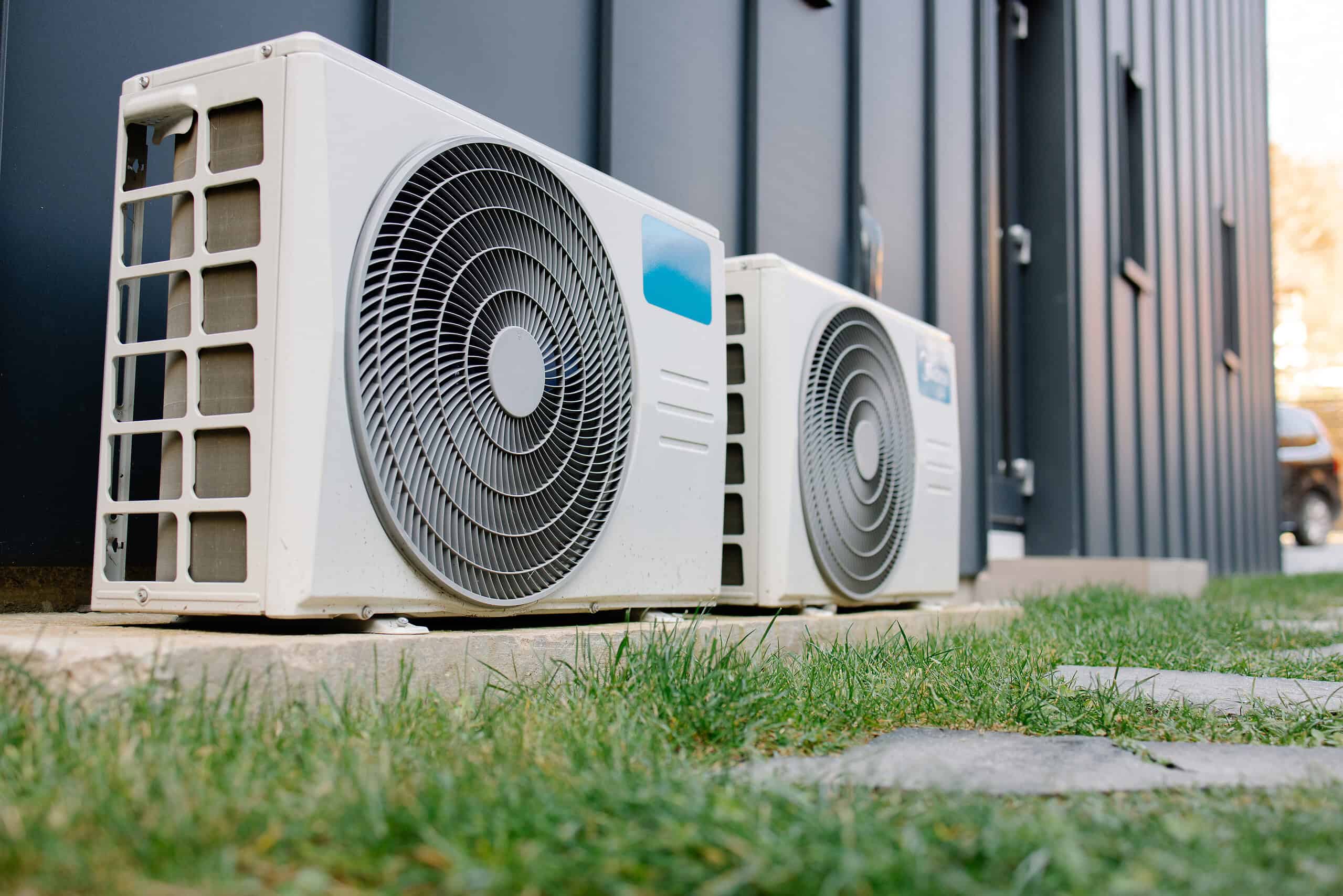
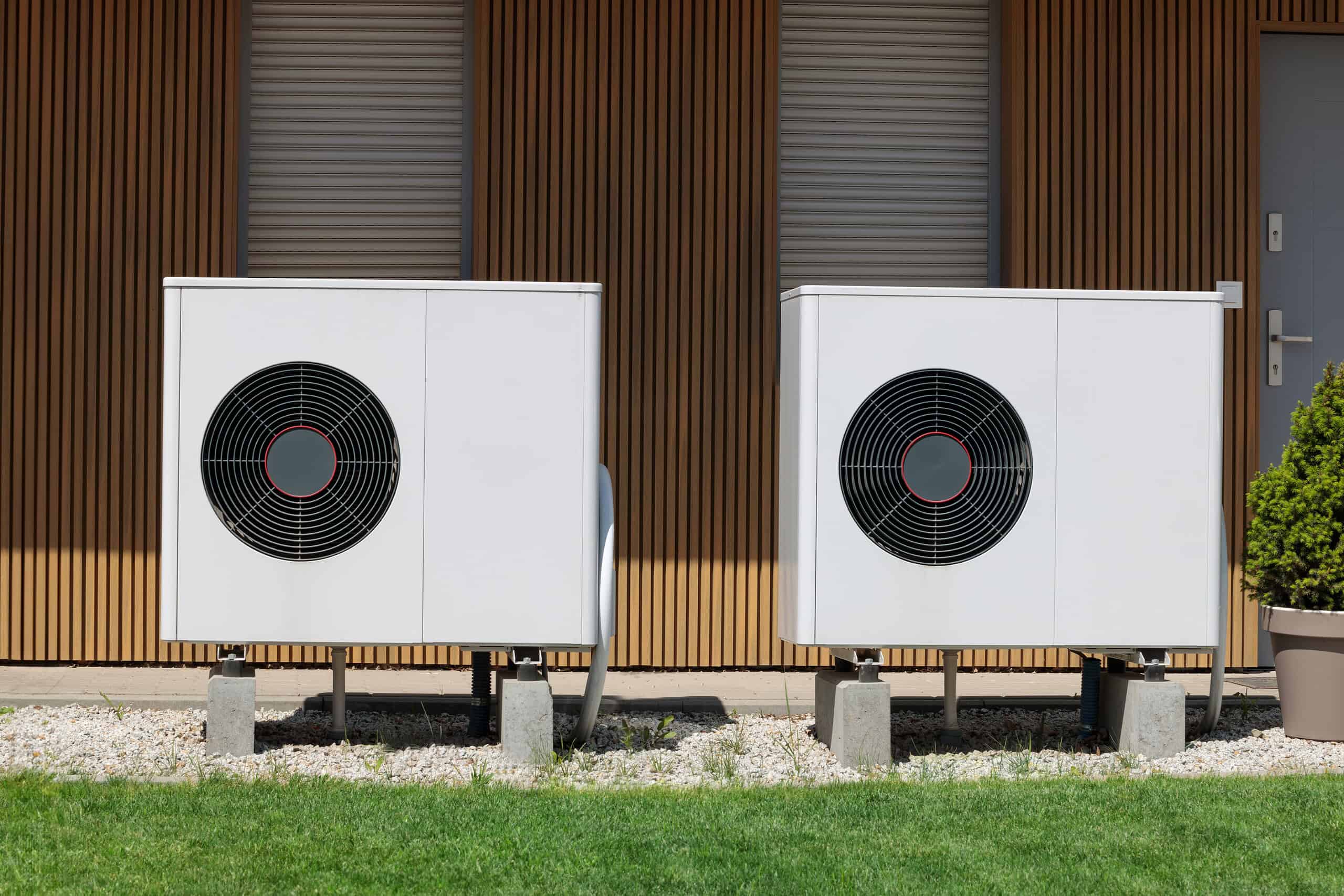
Placement is one of the biggest performance factors. A heat pump needs to breathe. If it is boxed into a tight space, placed too close to walls, or installed where hot exhaust air recirculates, it may use more energy and deliver weaker performance.
The best location should allow:
- Open airflow around the unit
- Safe access for maintenance
- Practical pipe routes to the geyser
- Proper condensation drainage
- Limited noise impact on bedrooms or neighbours
- Protection from physical damage
In many South African homes, outdoor or semi-outdoor placement is practical, provided the unit is protected and installed with the correct clearance. This is why geyser heat pump installation should be planned around the property layout, not only the available wall space.
Common mistakes that increase installation costs
A geyser heat pump installation becomes more expensive when problems are only discovered on installation day. Homeowners can avoid delays by checking the basics early.
Mistake 1: Choosing a unit before checking geyser size
The heat pump should match your storage capacity and hot water usage. Guessing the size can lead to poor performance.
Mistake 2: Ignoring airflow
Heat pumps depend on air movement. A restricted location can reduce efficiency and shorten component lifespan.
Mistake 3: Forgetting drainage
Heat pumps produce condensation. Without proper drainage, water can collect around the installation area.
Mistake 4: Leaving out insulation
Insulated pipework helps reduce heat loss, especially where the unit is installed further from the geyser.
Mistake 5: Comparing quotes only on price
A cheaper quote may exclude key components, proper valves, insulation, or commissioning. The better quote is the one that clearly explains the full installation scope.
Geyser heat pump installation cost factors
The final cost of a geyser heat pump installation depends on more than the heat pump itself. A simple installation with short pipe runs and easy access will usually be more straightforward than a setup where the geyser is far from the preferred outdoor unit position.
The main cost factors include:
- Heat pump size
- Installation kit requirements
- Pipe length and insulation
- Electrical connection work
- Drainage setup
- Access to the geyser and outdoor unit position
- Labour and commissioning time
This is why a proper quote should explain what is included. It should not only list the unit price.
Questions to ask before approving the work
Before you go ahead, ask your installer:
- Which heat pump size suits my geyser and usage?
- Where will the unit be installed?
- Is the pipework included and insulated?
- Is the correct installation kit included?
- How will condensation be drained?
- Will the system be tested after installation?
- What maintenance will be needed?
These questions help you understand whether the quote covers the full geyser heat pump installation or only the basic connection.
Final thoughts
A geyser heat pump installation can deliver excellent long-term savings, but only when the system is correctly planned and installed. The unit must be matched to the geyser size, positioned for airflow, connected with the right components, and tested properly before use.
For larger South African homes, models such as the ITS 5.4kW, ITS Residential 6.3kW, and ITS 7.6kW heat pumps provide practical options for higher daily hot water demand. The correct installation kit then helps ensure the setup is safe, serviceable, and efficient from the beginning.
If your goal is to reduce electricity use without compromising hot water comfort, take the installation stage seriously. A good geyser heat pump installation is not just a once-off setup. It is the foundation for years of reliable, cost-effective water heating.