Installing a geyser heat pump is one of the most effective ways to reduce household water-heating costs in South Africa. A standard electric geyser uses electricity to generate heat directly, while a heat pump transfers heat from the surrounding air into the water. That makes the system far more efficient, but it also means the installation must be done correctly.
A poor setup can reduce efficiency, shorten the system’s lifespan, create drainage issues, or cause the unit to work harder than necessary. A proper geyser heat pump installation ensures the heat pump has enough airflow, the right pipework, suitable electrical protection, and the correct connection to the geyser.
This guide explains what homeowners should know before installing a geyser heat pump, which components matter, and how to choose the right Right Air products for your hot water setup.
For product selection, start by reviewing Right Air’s range of domestic hot water heat pumps, which includes residential geyser heat pumps and installation accessories.
For a general best-practice context, the ENERGY STAR heat pump water heater installation guide explains why airflow, location, and setup quality are important for heat pump water heater performance. The City of Cape Town also provides useful local energy guidance through its water heating energy-saving FAQs.
Why geyser heat pump installation quality matters
A heat pump is not installed in the same way as a normal electric geyser. The system needs to draw air, extract heat, transfer that heat into the water, and then release cooler air. If the unit is placed in the wrong area or connected with incorrect components, performance can drop noticeably.
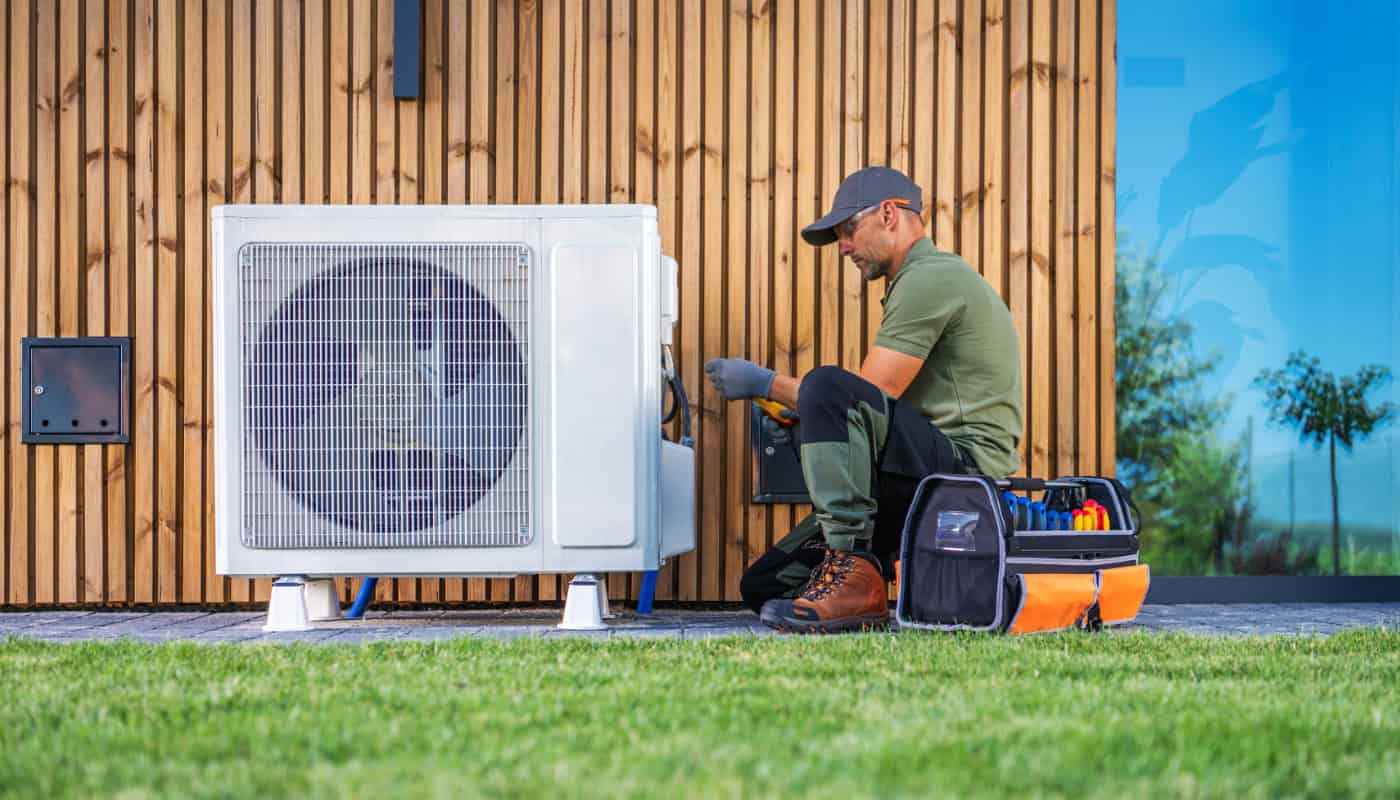
A professional geyser heat pump installation helps ensure:
- Correct airflow around the heat pump
- Proper hot and cold water pipe connections
- Safe electrical connection and isolation
- Reduced heat loss between the heat pump and geyser
- Correct valves and protection components
- Easier future maintenance
The goal is not only to make the system work. The goal is to make it work efficiently for years.
How a geyser heat pump connects to your existing geyser
In most residential setups, the heat pump does not replace the geyser tank. Instead, it works with the geyser by heating the water more efficiently. The geyser remains the storage vessel, while the heat pump becomes the main heating source.
During a geyser heat pump installation, the installer connects the heat pump to the geyser using pipework, valves, and control components. Water circulates between the geyser and heat pump, allowing the heat pump to raise the water temperature using far less electricity than a standard element.
Basic installation flow
| Installation stage | What happens | Why it matters |
|---|---|---|
| Site assessment | Installer checks geyser size, access, airflow, drainage, and electrical supply. | Prevents incorrect placement and sizing issues. |
| Product matching | Heat pump capacity is matched to geyser size and household demand. | Avoids underperformance or wasted energy. |
| Component setup | Valves, strainer, switchgear, and pipework are fitted. | Protects the system and supports safe operation. |
| Water connection | Heat pump is connected to the geyser circuit. | Allows efficient water heating and circulation. |
| Commissioning | System is tested for leaks, temperature control, and performance. | Confirms the setup is safe and working properly. |
This is why installation kits matter. They help ensure the correct supporting components are included from the start.
Choosing the right installation kit
For smaller ITS geyser heat pump systems, the ITS geyser heat pump installation kit is directly relevant because it is designed for ITS geyser heat pumps from 3.6kW to 5.4kW.
A good installation kit supports a cleaner, safer, and more efficient setup. Instead of sourcing individual parts separately, the installer can work from a system-specific kit that includes the components needed for the heat pump connection.
Why the correct kit is important
| Installation component | Purpose | Installation benefit |
|---|---|---|
| Changeover switch | Helps manage electrical switching. | Supports safer system control. |
| Loading valve | Helps regulate system pressure and flow. | Improves operational stability. |
| Y-strainer | Helps protect the system from debris. | Reduces risk of blockages or damage. |
| Air release valve | Releases trapped air from the system. | Helps maintain efficient water circulation. |
| Ball valves | Allows sections to be isolated. | Makes maintenance easier. |
Using the wrong parts can lead to avoidable service calls. A proper geyser heat pump installation should always include the correct valves, protection, and access points.
Matching the heat pump to the geyser size
Correct sizing is a major part of a successful geyser heat pump installation. A smaller household with a 150L or 200L geyser does not need the same system as a large family with a 300L or 400L setup.
For smaller domestic installations, the ITS 3.6kW geyser heat pump with Wi-Fi is relevant for geysers up to 200L. For larger residential demand, the ITS 4.5kW Super geyser heat pump with Wi-Fi is suitable for geysers up to 300L.
Simple sizing guide
| Household / geyser setup | Suitable product direction | Notes |
|---|---|---|
| Smaller household or apartment | 3.6kW class heat pump | Best for lower daily hot water demand. |
| Standard family home | 4.5kW class heat pump | Better for higher usage and larger geyser capacity. |
| Larger home with multiple bathrooms | 5.4kW+ class heat pump | Better suited to frequent hot water draw-off. |
| Large residential or light commercial setup | 6.3kW to 7.6kW+ class heat pump | Requires careful installation planning. |
The right size matters because an undersized heat pump may run too long, while an oversized system may cost more than necessary.
Where should a geyser heat pump be installed?
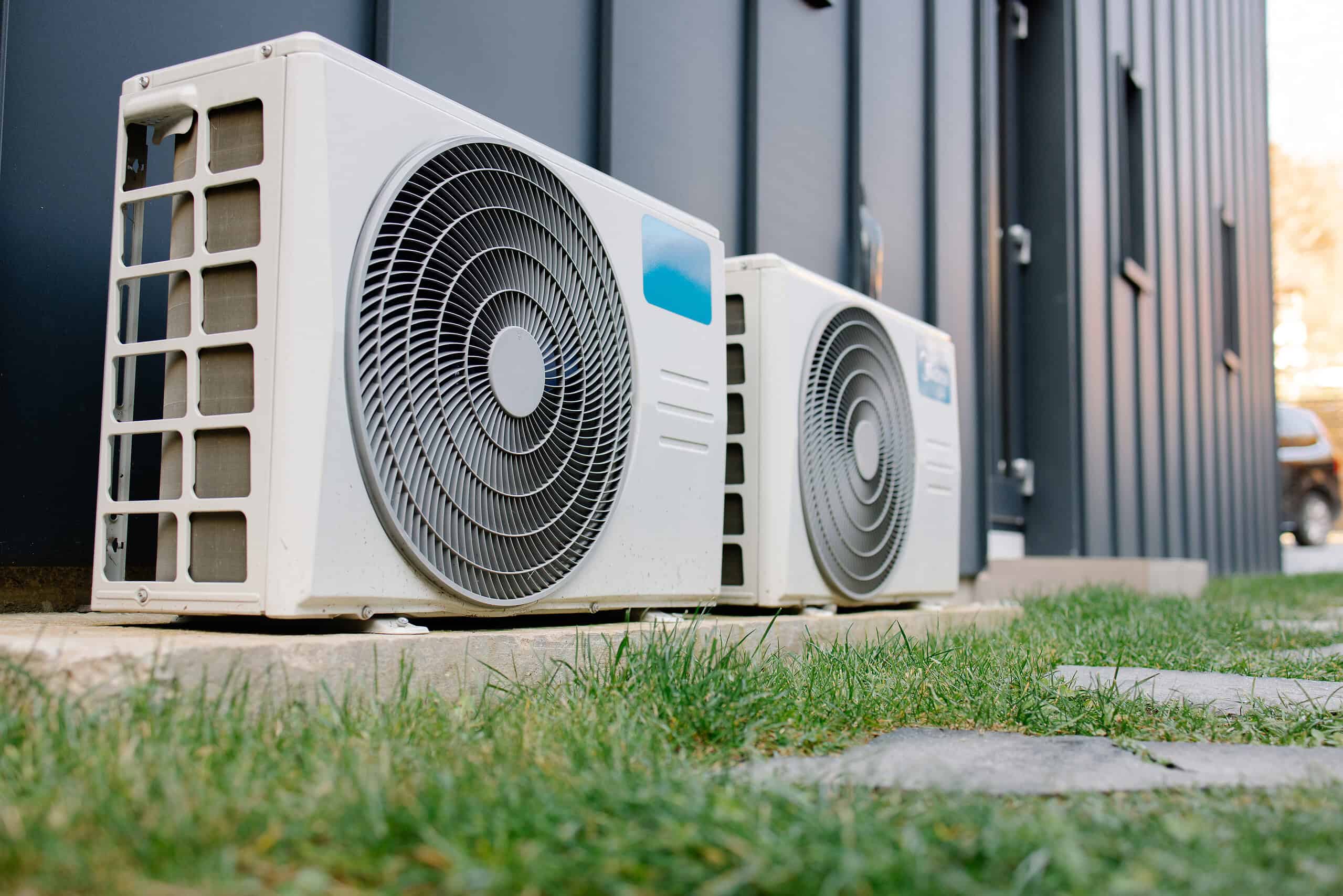
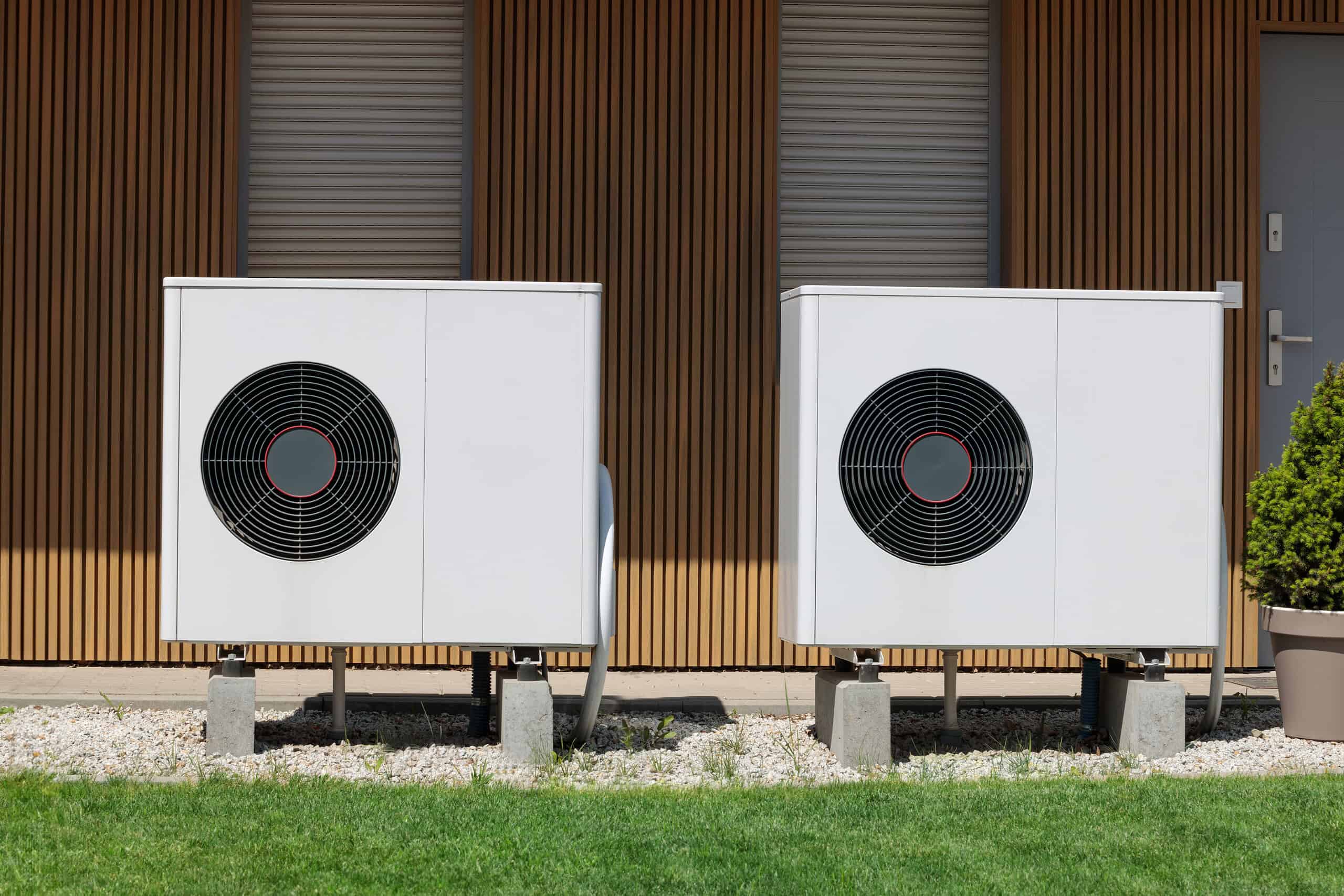
Location has a direct effect on efficiency. A heat pump needs access to air, enough space around the unit, and safe drainage. It should not be boxed into a cramped cupboard or placed where airflow is restricted.
A good geyser heat pump installation usually considers:
- Outdoor or semi-outdoor placement with ventilation
- Enough clearance around the unit for air intake and discharge
- Protection from physical damage
- Access for servicing
- Drainage for condensation
- Shorter pipe runs where practical
The unit also needs to be installed where noise will not disturb bedrooms, neighbours, or enclosed entertainment areas. Modern systems are generally quiet, but placement still matters.
Common installation mistakes to avoid
Even a high-quality heat pump can perform badly if installed poorly. These are the most common problems homeowners should avoid.
Poor airflow
A heat pump needs air to extract heat. If the unit is installed in an enclosed or poorly ventilated space, efficiency drops and the system may work harder than necessary.
Long, uninsulated pipe runs
Long pipe runs can increase heat loss. Where longer pipework is unavoidable, insulation becomes even more important.
Incorrect system sizing
Choosing a unit based only on price can backfire. The heat pump must match geyser size, household demand, and usage patterns.
Missing protection components
Valves, strainers, and isolation points are not small details. They protect the system and make maintenance easier.
No maintenance access
The cheapest installation position is not always the best one. If technicians cannot access the unit easily, future servicing becomes more difficult.
What to ask before installation
Before approving a geyser heat pump installation, ask the installer these practical questions:
- Is the heat pump correctly sized for my geyser?
- Where will the unit be installed, and why?
- Will the pipework be insulated?
- Are the required valves and protection components included?
- Will the system be tested after installation?
- How should the system be maintained?
- What should I monitor after installation?
These questions help prevent vague quotes and make it easier to compare installation quality, not only price.
Final thoughts
A geyser heat pump can reduce water-heating costs significantly, but the installation determines how well the system performs in real-world conditions. Correct product sizing, proper airflow, safe electrical setup, quality pipework, and the right installation kit all affect efficiency and lifespan.
For smaller domestic systems, the ITS 3.6kW geyser heat pump with Wi-Fi and ITS 4.5kW Super geyser heat pump with Wi-Fi offer a strong starting point. For the supporting installation components, the ITS geyser heat pump installation kit helps ensure the setup is built around the correct system requirements.
If you are planning a geyser heat pump installation, start with the correct product category, match the unit to your geyser size, and make sure the supporting installation components are included from the start. That is the difference between a heat pump that simply works and one that delivers reliable savings year after year.