Rising electricity prices in South Africa have made one thing clear — traditional geysers are becoming increasingly expensive to run. For many households, water heating accounts for a significant portion of monthly electricity usage, often without homeowners even realising it.
This is where geyser heat pumps come in. Designed to reduce energy consumption while delivering consistent hot water dramatically, they are quickly becoming one of the most effective upgrades for energy-conscious homes and businesses.
If you’re looking for a smarter, more efficient way to heat your water, this guide will show you how geyser heat pumps work, why they’re worth the investment, and how they can cut your electricity bill by up to 70%.
What Is a Geyser Heat Pump?
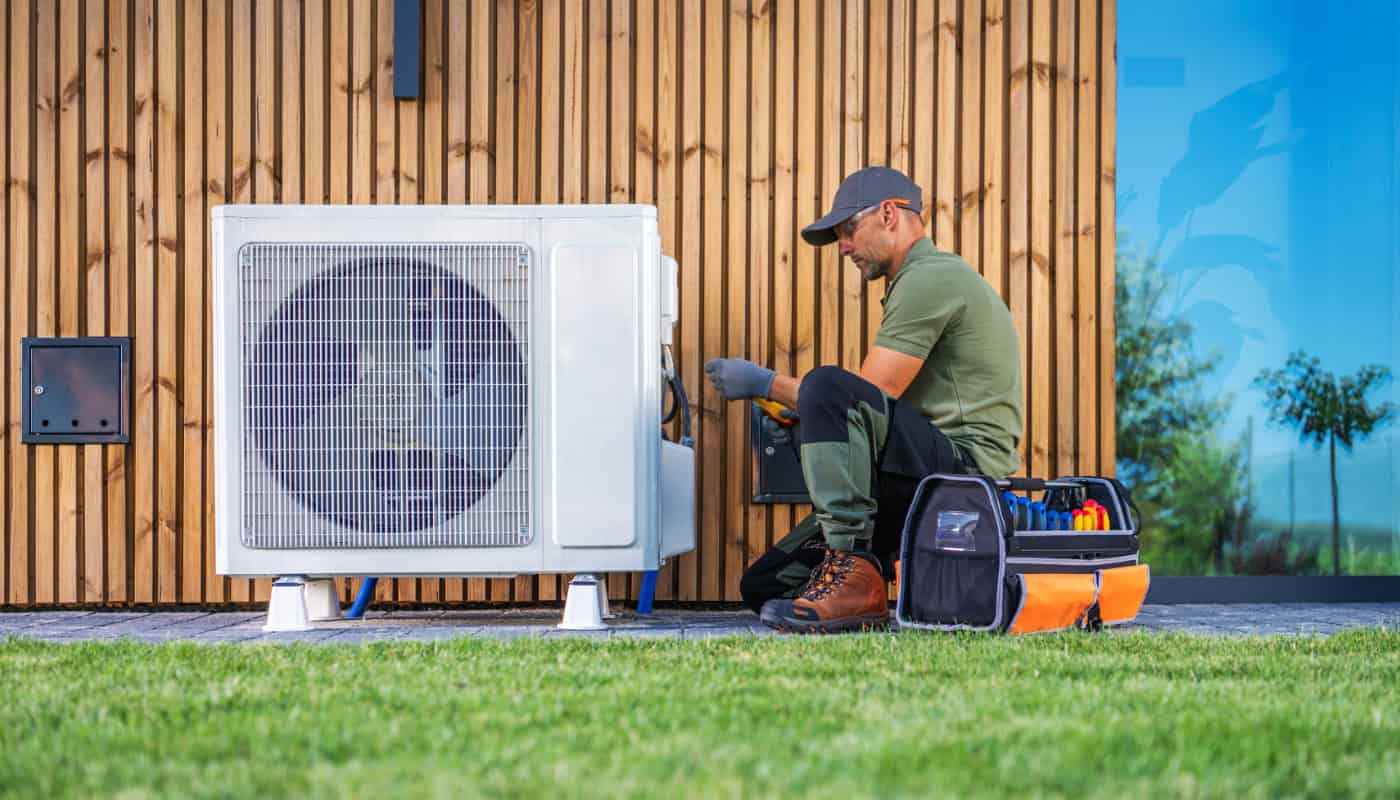
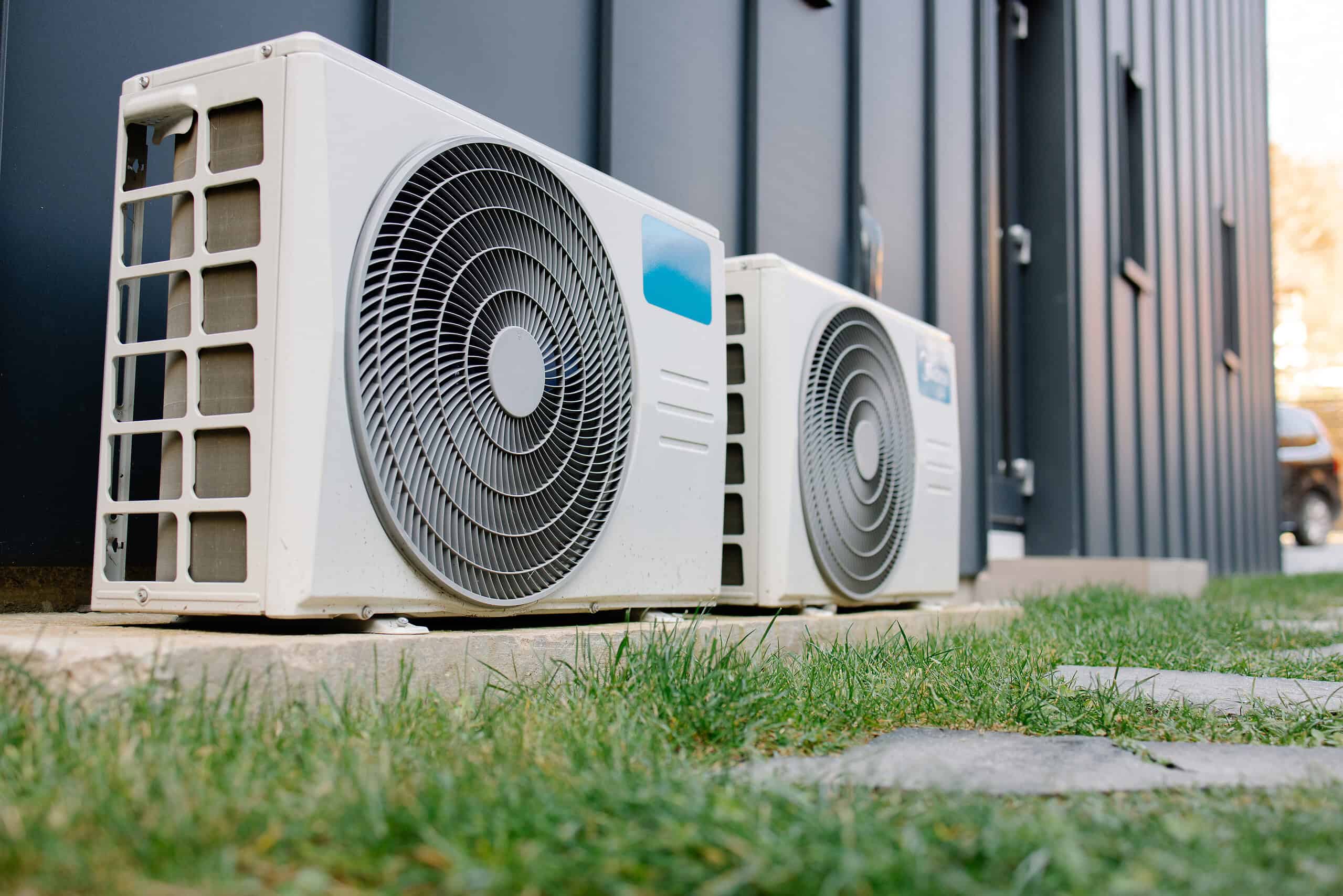
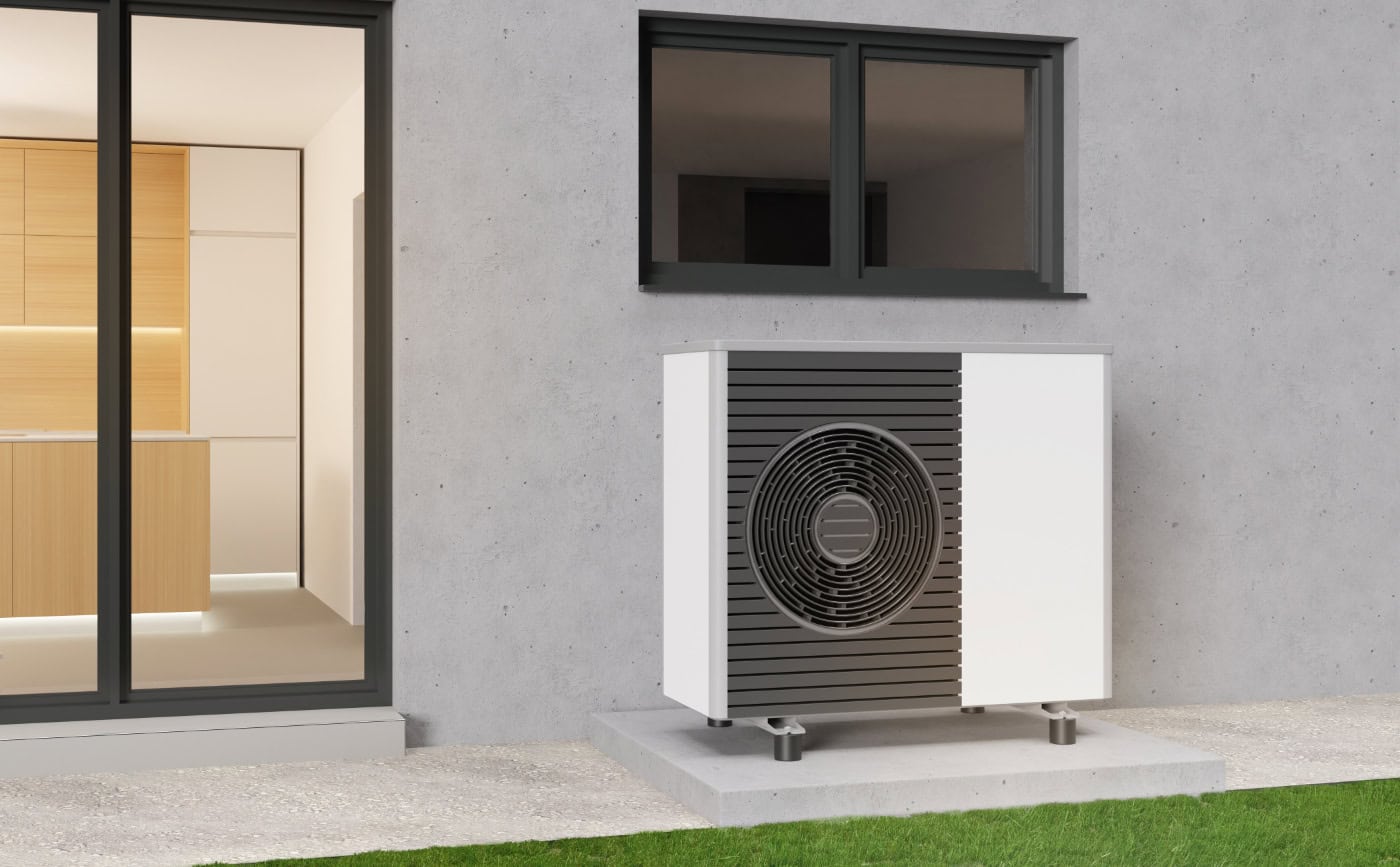
A geyser heat pump works by extracting heat from the surrounding air and using it to heat water, rather than generating heat directly like a traditional electric geyser. This process is similar to how an air conditioner works — but in reverse.
Instead of using large amounts of electricity to create heat, a heat pump simply transfers existing heat, making it far more energy-efficient.
How It Works (Simplified)
| Step | Process | Benefit |
|---|---|---|
| 1 | Air is drawn into the system | Uses free ambient heat |
| 2 | Heat is compressed and intensified | Requires minimal electricity |
| 3 | Heat is transferred to water | Efficient heating process |
| 4 | Warm air is released | Continuous energy cycle |
This system allows geyser heat pumps to use up to 70% less electricity compared to standard electric geysers.
Why Geyser Heat Pumps Are Ideal for South African Homes
South Africa’s climate makes heat pumps particularly effective. With relatively warm ambient temperatures for most of the year, these systems can operate at peak efficiency across multiple regions.
Key Advantages
- Massive energy savings – Reduce electricity usage by up to 70%
- Lower monthly bills – Immediate impact on household expenses
- Eco-friendly operation – Lower carbon emissions
- Consistent hot water supply – Even during colder months
- Long lifespan – Reduced wear compared to traditional geysers
For homeowners dealing with rising Eskom tariffs, this is one of the most practical and impactful upgrades available.
For additional insights into energy usage in South Africa, you can review Eskom’s official tariff updates.
Comparing Traditional Geysers vs Heat Pumps
| Feature | Traditional Electric Geyser | Geyser Heat Pump |
|---|---|---|
| Energy Consumption | High | Low (up to 70% savings) |
| Heating Method | Direct electric heating | Heat transfer from air |
| Running Cost | Expensive | Cost-effective |
| Lifespan | Moderate | Longer due to lower strain |
| Environmental Impact | Higher emissions | Eco-friendly |
The difference is clear — while traditional geysers are simple, they are far less efficient in the long run.
Choosing the Right Geyser Heat Pump for Your Needs
Right Air offers a range of high-performance geyser heat pumps designed for different household sizes and usage levels.
Here are some of the top options:
- ITS 3.6kW Geyser Heat Pump – Ideal for smaller households or apartments with moderate water usage.
- ITS 5.4kW Geyser Heat Pump – A balanced option for families needing consistent hot water supply.
- ITS 7.6kW Geyser Heat Pump – Perfect for larger households with higher demand.
- ITS 11kW Geyser Heat Pump – Designed for high-demand homes or light commercial use.
Capacity Guide
| Household Size | Recommended Heat Pump |
|---|---|
| 1–2 people | 3.6kW |
| 3–4 people | 5.4kW |
| 4–6 people | 7.6kW |
| 6+ people or commercial | 11kW |
Choosing the right capacity ensures optimal efficiency and avoids unnecessary energy usage.
Installation Considerations
To get the best performance from your geyser heat pump, correct installation is essential.
Right Air provides complete solutions including:
Installation Tips
- Install in a well-ventilated area
- Ensure adequate airflow around the unit
- Use professional installers for best results
- Position close to the geyser system to reduce heat loss
Long-Term Cost Savings
While the upfront cost of a geyser heat pump may be higher than a traditional geyser, the long-term savings are substantial.
| Cost Factor | Traditional Geyser | Heat Pump |
|---|---|---|
| Monthly electricity cost | High | Low |
| Maintenance | Moderate | Low |
| Lifespan | 5–8 years | 10–15 years |
| ROI | Slow | Fast (2–3 years) |
Over time, the system pays for itself — making it a smart financial investment.
In practical terms, a household that spends R1,500–R2,500 per month on electricity could see a meaningful reduction when switching to a heat pump system. Since water heating often accounts for up to 40% of total household electricity use, the impact is immediate and measurable. Over a 12-month period, these savings can amount to thousands of rands, especially in larger households.
Maintenance Tips for Optimal Performance
Geyser heat pumps are low maintenance, but a few simple practices will keep them running efficiently:
- Clean filters regularly
- Check airflow around the unit
- Schedule annual servicing
- Monitor water temperature settings
These steps ensure maximum efficiency and long-term reliability.
Final Thoughts
If you’re serious about reducing your electricity bill and future-proofing your home, a geyser heat pump is one of the smartest upgrades you can make.
With energy savings of up to 70%, reliable performance, and eco-friendly operation, these systems offer a clear advantage over traditional geysers. Beyond cost savings, they also provide peace of mind — consistent hot water, reduced strain on the electrical system, and a more sustainable household setup.
Explore the full range of geyser heat pumps at Right Air and find the perfect solution for your home. With expert advice, professional installation, and high-quality products, making the switch has never been easier.
Start saving today — and enjoy efficient, cost-effective hot water all year round.